

framed mirrors
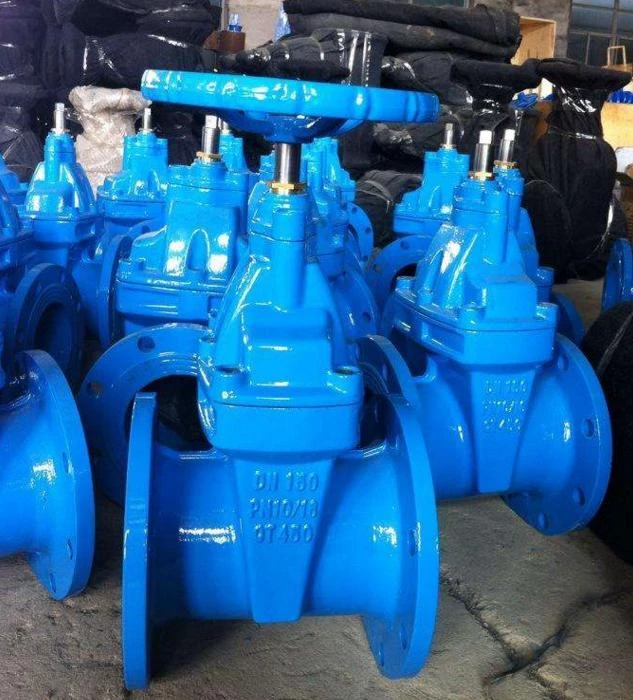
The Significance of the 3/4 Water Valve in Everyday Life A 3/4 water valve is a seemingly small yet critically essential component in our daily lives. It might go unnoticed by many, but its function is vital to the efficient and controlled flow of water in various domestic and industrial applications. This seemingly insignificant part plays a significant role in ensuring the smooth operation of our plumbing systems, irrigation networks, and industrial processes. The 3/4 water valve, as the name suggests, refers to a valve that controls the flow of water through a pipe with a diameter of 3/4 inches. It is a standard size for residential water supply lines, often found in faucets, washing machines, and other water-using appliances. Its compact design allows it to fit easily into tight spaces, making it a practical choice for numerous installations. One of the primary functions of this valve is to regulate water flow. It can be opened or closed to start or stop the flow, or partially opened to control the volume of water passing through. The precision control it offers is particularly useful in situations where water conservation or precise flow regulation is necessary. For instance, in gardening, a 3/4 valve can be used to manage the irrigation system, ensuring plants receive just the right amount of water without waste. In households, the 3/4 water valve serves as a safety measure. In case of a leak or emergency, it can be swiftly shut off, preventing water damage and potential flooding In case of a leak or emergency, it can be swiftly shut off, preventing water damage and potential flooding In case of a leak or emergency, it can be swiftly shut off, preventing water damage and potential flooding In case of a leak or emergency, it can be swiftly shut off, preventing water damage and potential flooding 3/4 water valve . It's a first line of defense against plumbing issues, allowing homeowners to quickly isolate the problem area without disrupting the entire water supply. In industrial settings, these valves find extensive use due to their durability and ability to handle high pressure and flow rates. They are employed in cooling systems, chemical processing, and manufacturing plants, where they help maintain optimal operational efficiency and safety. Moreover, 3/4 water valves come in various types - gate, ball, butterfly, and more - each with its unique features and applications. Gate valves are ideal for on/off control, while ball valves offer quick shut-off and full flow. The choice depends on the specific needs, such as pressure ratings, temperature range, and the type of fluid being handled. In conclusion, the 3/4 water valve, though often unseen, is an indispensable part of our daily infrastructure. It is a testament to the power of engineering in creating simple solutions to complex problems. From the tap in our kitchen to the pipelines in factories, these valves ensure the reliable and controlled flow of water, underpinning the comfort and convenience we often take for granted. Understanding and appreciating their role helps us make informed decisions when it comes to maintenance, repair, and upgrades, ultimately contributing to a more efficient and sustainable water management system.
about
framed mirrors
The Importance of Safety Caps for Steel Reinforced Plastic Rebar In the construction industry, safety is paramount. As construction projects become more complex and large-scale, the materials used must not only meet structural requirements but also adhere to strict safety standards. One such innovation that emphasizes safety and efficiency is the use of steel reinforced plastic (SRP) rebar. Alongside the use of SRP rebar, safety accessories such as safety caps are essential in promoting a secure working environment. Understanding Steel Reinforced Plastic Rebar Steel reinforced plastic rebar is a composite material that combines the durability of steel with the lightweight, corrosion-resistant properties of plastic. This innovative rebar is designed to provide the same tensile strength as traditional steel rebar, making it suitable for various applications in construction, including bridges, roads, and buildings. The benefits of SRP rebar extend beyond strength; the material is also resistant to rust, making it ideal for projects in harsh environments or where traditional rebar would suffer from corrosion. The Role of Safety Caps Amidst the numerous advantages presented by SRP rebar, the addition of safety caps plays a critical role in ensuring safety on construction sites. Safety caps are protective coverings that fit over the exposed ends of rebar, preventing injuries caused by sharp ends, which can pose serious hazards to workers. These injuries can range from minor cuts to more severe accidents that can significantly impact project timelines and worker morale. Preventing Injuries steel reinforced plastic rebar safety cap Accident statistics in the construction industry reveal that tripping, falling, or coming into contact with protruding rebar significantly contributes to work-related injuries. Metal rebar ends can be particularly dangerous as they can puncture skin and cause deep wounds. Safety caps help mitigate this risk by providing a barrier that covers the sharp edges of rebar, reducing the likelihood of accidental contact. Moreover, these caps can be brightly colored, enhancing visibility and alerting workers to potential hazards in their environment. Compliance with Safety Standards Using safety caps is not just a voluntary measure; it often complies with local safety regulations and standards mandated by construction safety organizations. Adhering to these standards is vital for contractors and companies, as failure to prioritize safety can lead to legal implications, financial losses, and reputational damage. Investing in safety caps helps meet these regulations, demonstrating a commitment to creating a safe working environment for all personnel involved in a project. Enhancing Work Efficiency While safety is the primary concern, it's essential to recognize that the use of safety caps can also lead to increased work efficiency. By minimizing the risk of injury, workers can focus on their tasks without the fear of encountering hazardous rebar ends. This sense of safety can lead to higher productivity levels, as employees are less likely to be sidelined by accidents. Furthermore, ensuring a safe site can reduce downtime caused by accidents or the need to address safety violations. Conclusion In conclusion, the combination of steel reinforced plastic rebar with appropriate safety measures, such as safety caps, highlights the importance of prioritizing safety in construction. As the industry continues to evolve with new materials and technologies, it is crucial to implement solutions that enhance the safety and efficiency of construction projects. Safety caps not only protect workers from potential injuries but also support compliance with safety standards and promote a culture of responsibility on site. As we look ahead, the integration of innovative materials and safety accessories will undoubtedly shape the future of construction, paving the way for safer and more efficient building practices.
-

High quality industrial productsagement

High quality industrial products
View Details -

Meet the diverse needs of customers

Meet the diverse needs of customers
View Details -

Strict quality control

Strict quality control
View Details -

Top raw materials

Top raw materials
View Details -

Trusted supplier

Trusted supplier
View Details
Our application
news and information
Water Hose Shutoff Valve for Efficient Flow Control and Leak Prevention
Water Hose Shut Off Valve A Necessary Tool for Efficient Water Management Water is one of the most p

welding table supplier
Finding the Right Welding Table Supplier A Guide for Professionals Welding is an essential process i
Using a Spirit Level for Accurate Measurements in Construction and DIY Projects
Understanding the Spirit Level A Essential Tool in Precision Measurement The spirit level, an instru
 English